


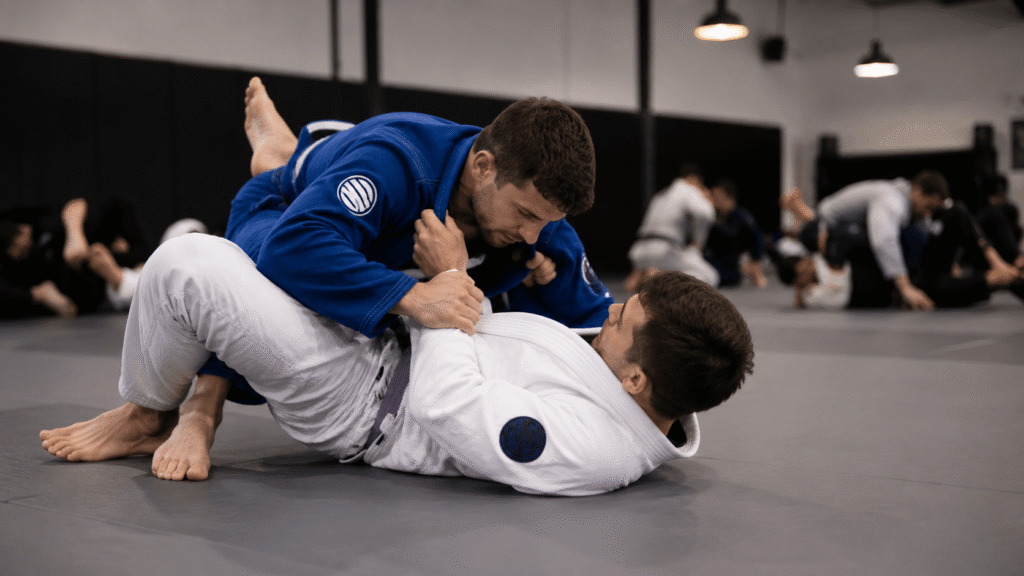
Brazilian jiu-jitsu has grown from a relatively niche martial art into one of the most popular grappling disciplines in the world, drawing beginners of all ages, body types, and fitness levels. Its central premise, that a smaller or weaker practitioner can control and submit a larger opponent through leverage and technique, remains as compelling today as when the art first developed. For newcomers, though, the sport’s vocabulary and etiquette can feel like an entirely new language to learn.
The Core Philosophy of the Art
Brazilian jiu-jitsu focuses primarily on ground fighting, teaching practitioners how to take an opponent down, gain a dominant position, and ultimately secure a submission through a joint lock or choke that forces the opponent to tap out before injury occurs. Unlike striking-based martial arts, the emphasis on technique over raw strength means practitioners can spend years discovering new details and nuances even within techniques they thought they had already mastered.
This depth is part of what makes the art so compelling to long-term practitioners. Even simple positions, such as the mount or side control, contain countless variations and counters that experienced black belts continue refining throughout their careers, making the learning curve genuinely lifelong rather than something that plateaus after a few years of consistent training.
The Belt System
Progress in Brazilian jiu-jitsu is marked by a belt ranking system, typically progressing from white through blue, purple, brown, and eventually black belt, with each rank often taking years of consistent training to achieve. Unlike some martial arts where belts can be earned relatively quickly, Brazilian jiu-jitsu is well known for its demanding promotion standards, with many practitioners spending two years or more at each intermediate belt level before advancing.
This slow progression is generally viewed positively within the community, since it ensures that belt rank genuinely reflects accumulated skill and experience rather than simply time served, which in turn helps maintain safety and mutual trust when training partners of different rank roll together on the mats.
What a First Class Typically Involves
Most beginner classes start with a structured warm-up, often including basic movement drills specific to jiu-jitsu, such as shrimping and bridging, which develop the hip mobility and core control essential to the art. Following the warm-up, instructors typically demonstrate a specific technique, breaking it down into clear steps before students practise the movement with a partner at a slow, controlled pace.
Many gyms conclude beginner-friendly classes with light, supervised sparring, commonly called rolling, scaled appropriately for newer students. It is entirely normal, and expected, for beginners to feel overwhelmed or find themselves in unfamiliar positions frequently during these early sparring sessions; this is simply part of the natural learning process rather than a sign that a newcomer is not suited to the sport.
Understanding Gi and No-Gi Training
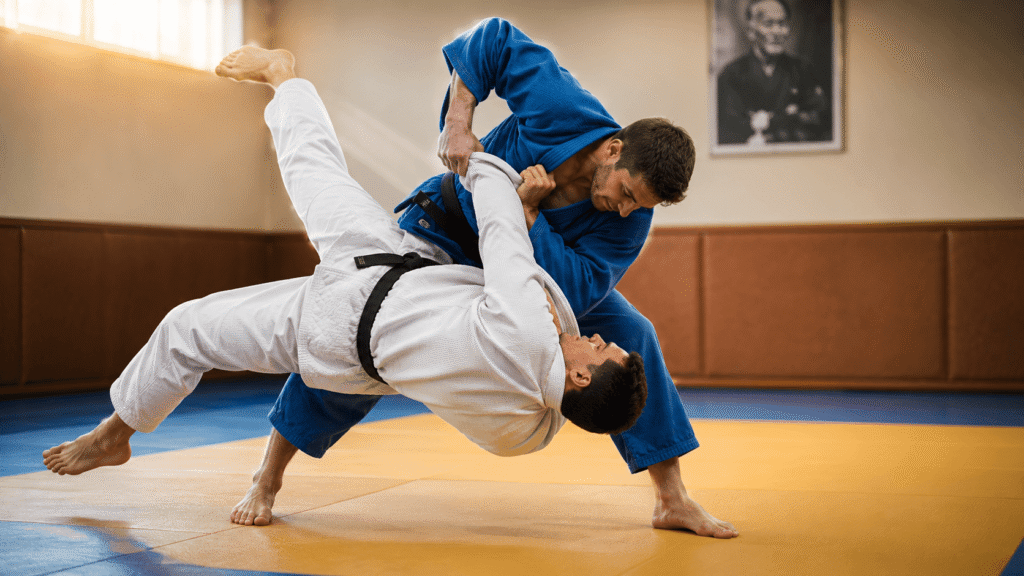
Brazilian jiu-jitsu is typically practised in one of two formats. Gi training uses a traditional heavy cotton uniform, similar to a judo gi, which practitioners can grip to control opponents and execute specific chokes and submissions unique to gi-based grappling. No-gi training, by contrast, is practised in rash guards and grappling shorts, removing the fabric grips and generally resulting in a faster-paced style of grappling that shares more similarities with wrestling and submission grappling disciplines outside the traditional jiu-jitsu lineage.
Many practitioners eventually train in both formats, since each develops slightly different skills, though beginners often find it easier to build fundamental positional understanding within a single format before branching out.
Safety and Etiquette on the Mats
Safety is heavily emphasised in well-run jiu-jitsu academies, with tapping out, signalling submission by tapping a partner or the mat, treated as an absolute and immediate signal that must be respected without exception. New students are typically taught the tapping convention on their very first day, and experienced practitioners are generally expected to train with appropriate care and control when working with less experienced partners.
Basic mat etiquette, including good hygiene, trimmed nails, and a respectful attitude toward training partners regardless of rank, is also considered fundamental to the culture of most academies, reflecting the sport’s emphasis on mutual respect given the close physical contact involved in training.
Why So Many Beginners Stick With It
Many long-term practitioners describe an early frustration phase, often lasting several months, where progress can feel slow and sparring sessions can feel discouraging against more experienced training partners. Those who push through this initial period frequently describe a noticeable shift once fundamental positional concepts begin to click, at which point the art’s problem-solving nature, essentially a physical puzzle solved under live resistance, becomes genuinely addictive for many practitioners.
Combined with the physical fitness benefits and the close-knit community typically found at dedicated academies, it is easy to understand why Brazilian jiu-jitsu has built such a devoted following well beyond its origins as a specialised martial art.