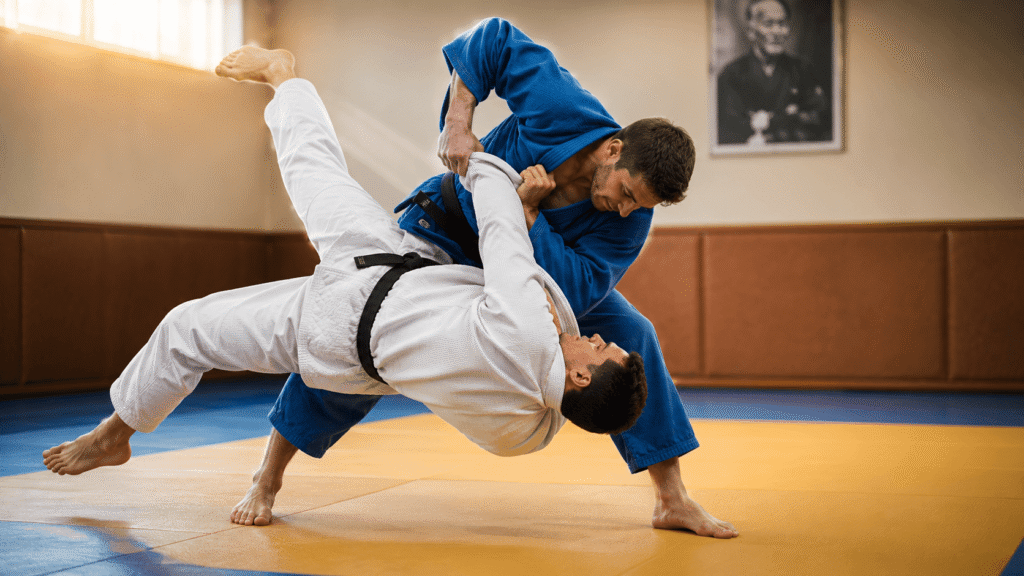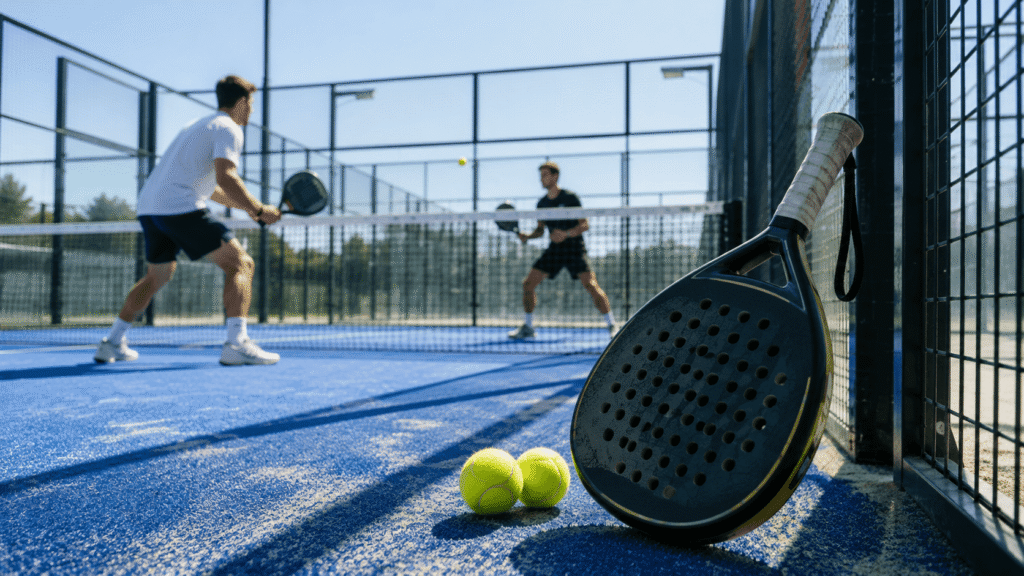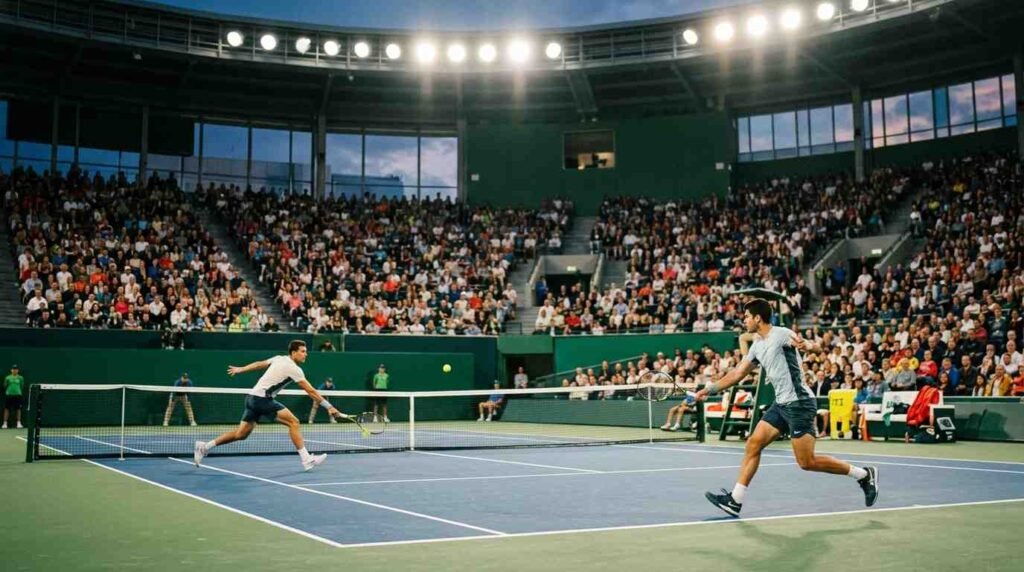


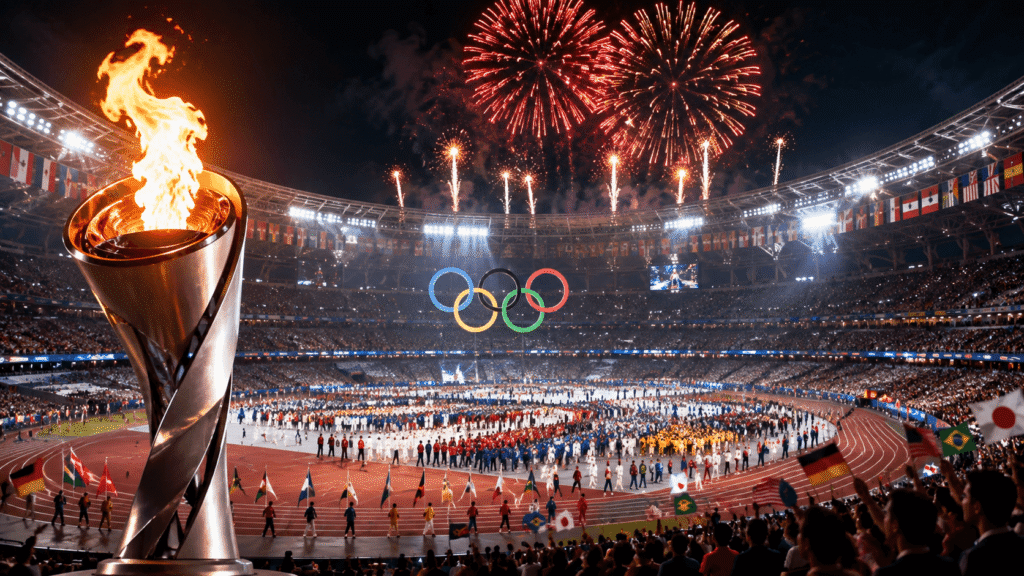
Every four years, the Olympic Games briefly turn even casual sports fans into passionate supporters of disciplines they may never watch at any other time. The scale and complexity of the modern Olympics, spanning dozens of sports and hundreds of individual events, can make the whole spectacle feel difficult to follow in detail. Understanding how the Games are structured helps unlock a much richer viewing experience.
The Basic Structure of the Games
The modern Olympics alternate between Summer and Winter editions, each held every four years but staggered two years apart from one another. The Summer Games feature a much larger programme of sports, ranging from athletics and swimming to team sports, combat sports, and increasingly, newer additions aimed at engaging younger audiences. The Winter Games focus on snow and ice sports, from alpine skiing and figure skating to bobsleigh and ice hockey.
Host cities are selected years in advance through a bidding process overseen by the International Olympic Committee, with hosting responsibilities including building or upgrading venues, athlete accommodation, and the broader infrastructure needed to support an event of this scale, which explains why Olympic hosting decisions often generate significant public debate in candidate cities.
Qualification: Not Everyone Simply Shows Up
Athletes do not automatically qualify for the Olympics simply by being talented in their sport. Each sport has its own qualification system, often involving world ranking points accumulated over the preceding years, specific qualifying events, or national trials where countries select their strongest available team within any quota limits set by the relevant international federation.
This qualification process means that some highly ranked athletes occasionally miss the Games entirely due to strong competition within their own national team, particularly in countries with deep talent pools in a specific sport, adding an often-overlooked layer of drama to the qualification period well before the Games themselves begin.
Understanding the Medal Table
Olympic success is typically measured through the medal table, ranking countries by the number of gold, silver, and bronze medals won across all events. Different countries and media outlets sometimes use slightly different ranking methodologies, with some prioritising total medal count while others rank primarily by gold medals won, which can occasionally lead to countries appearing in different relative positions depending on which system is used.
Beyond simple medal counts, many analysts also consider medals relative to population size or historical performance trends, offering additional context on which nations are genuinely overperforming or underperforming expectations for a given Games.
The Role of the Athletes Village
One of the more distinctive aspects of the Olympics, compared to single-sport world championships, is the athletes village, where competitors from dozens of different sports and countries live alongside one another for the duration of the Games. This shared living arrangement fosters a genuine sense of Olympic community that athletes frequently describe as one of the most memorable aspects of the entire experience, separate entirely from their individual competitive results.
Sports That Rotate In and Out
Unlike some assumptions, the Olympic sporting programme is not entirely fixed. The International Olympic Committee periodically reviews and updates the roster of included sports, occasionally adding new disciplines to appeal to younger audiences or removing sports with declining global participation and viewership. This flexibility has allowed newer sports to join the programme in recent editions, reflecting changing global sporting trends and the Committee’s ongoing efforts to keep the Games relevant to contemporary audiences.
The Paralympic Games
Held shortly after the main Olympic Games in the same host city, the Paralympic Games showcase elite competition among athletes with a range of physical, visual, and intellectual impairments, organised into detailed classification systems designed to ensure fair competition between athletes with comparable levels of impairment within each event. The Paralympics have grown substantially in both scale and broadcast coverage in recent decades, now standing as a major global sporting event in its own right rather than a secondary addition to the Olympic calendar.
Latest Sports News
Tips for Following the Games as a New Fan
Given the sheer volume of events taking place simultaneously, new fans often find it helpful to pick a handful of sports or specific athletes to follow closely rather than attempting to watch everything. Building this focused familiarity, understanding a specific sport’s scoring system or an individual athlete’s backstory, tends to produce a far more emotionally engaging viewing experience than passively channel-surfing between unfamiliar events without any context.
Ultimately, the scale of the Olympics is exactly what makes it special: a rare moment when dozens of sports, many otherwise overlooked for years at a time, briefly command the world’s full attention together, offering something for essentially any sports fan willing to look beyond their usual favourites.