

Sumo wrestling occupies a unique place in the sporting world, blending centuries-old Shinto ritual with intense modern athletic competition. For those unfamiliar with the sport beyond its distinctive imagery of large wrestlers colliding in a small ring, understanding the deeper structure and traditions behind sumo reveals a sport of surprising technical nuance and cultural significance.
The Basic Objective
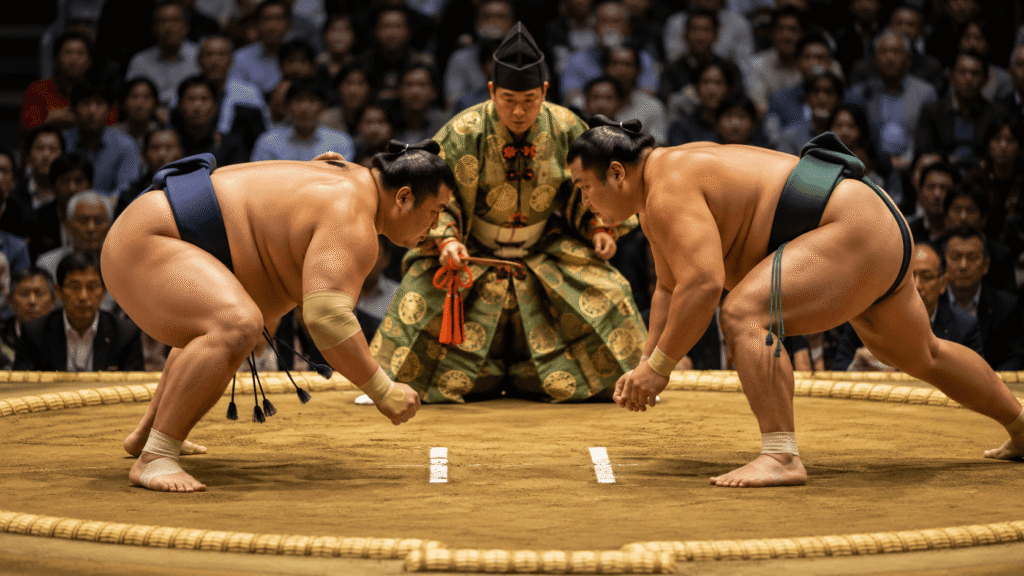
At its simplest, a sumo bout is decided by one of two outcomes: a wrestler either forces their opponent out of the circular ring, known as the dohyo, or causes any part of the opponent’s body other than the soles of their feet to touch the ground. Bouts are frequently extremely short, sometimes lasting only a few seconds, as the explosive initial charge, known as the tachiai, often determines the outcome of the entire match almost immediately.
Despite this apparent simplicity, sumo features an extensive range of recognised winning techniques, from straightforward pushing and thrusting moves to more technical throws and trips that experienced wrestlers use to overcome opponents who may be considerably larger or stronger than themselves.
The Ranking System
Professional sumo wrestlers, known as rikishi, compete within a strict hierarchical ranking system, with the highest rank, yokozuna, representing the pinnacle of the sport and reserved for wrestlers who demonstrate not only exceptional consistent performance but also the dignity and conduct expected of the sport’s highest tier. Below yokozuna, ranks descend through several tiers, with wrestlers moving up or down based on their win-loss record in each tournament.
This ranking system carries significant weight within Japanese sumo culture, with a wrestler’s rank affecting everything from their living arrangements within their sumo stable to their daily privileges and responsibilities, reflecting the sport’s deeply hierarchical traditional structure that extends well beyond simple competitive results.
Tournament Structure
Professional sumo tournaments, known as basho, are held six times per year, with top-division wrestlers competing in fifteen bouts across fifteen consecutive days. A wrestler’s overall record across the tournament determines both their prize eligibility and their ranking movement heading into the following tournament, creating a rhythm where every single bout carries meaningful consequences rather than being part of a longer, lower-stakes regular season structure common in many other sports.
The Rituals Behind the Sport
Sumo’s deep connection to Shinto religious tradition is visible throughout every tournament. Before each bout, wrestlers perform a series of ritual movements, including throwing salt into the ring to purify it and stamping their feet in a ritual believed to drive away evil spirits, practices that trace back centuries and remain a mandatory part of every professional bout regardless of the wrestler’s personal beliefs.
The dohyo itself is considered a sacred space, and its construction and maintenance follow strict traditional guidelines. This blend of intense physical competition with deeply embedded religious ritual is part of what makes sumo feel distinct from almost any other major competitive sport in the world today.
Life as a Professional Sumo Wrestler
Professional rikishi typically live within sumo stables, communal training facilities where wrestlers of varying ranks train, eat, and often live together under a stable master’s guidance. Daily life follows a highly structured routine built around intense morning training sessions, with rank determining many aspects of daily privileges, including meal order and household chore responsibilities within the stable.
This demanding lifestyle, combined with a specific high-calorie traditional diet designed to support the significant body mass considered advantageous in the sport, requires enormous discipline and commitment from wrestlers pursuing a professional sumo career, particularly during the years typically required to progress through the lower ranks before reaching the sport’s elite tiers.
Why Sumo Continues to Captivate Fans
Despite its relatively narrow technical rule set compared to many other combat sports, sumo offers a genuinely compelling blend of explosive athleticism, technical skill, and deep cultural tradition that continues to draw passionate fans both within Japan and increasingly around the world. The sport’s tournament structure, with every bout carrying immediate consequences for ranking, ensures a level of consistent intensity that few other sporting formats can match, while the surrounding ritual and tradition offer a cultural dimension rarely found in modern professional sport.
Latest Sports News