


Cycling offers one of the most versatile entry points into sport, spanning everything from relaxed weekend rides to gruelling multi-week professional stage races. Whether your interest lies in fitness, competition, or simply exploring new routes on two wheels, understanding the different disciplines within cycling helps you find the style that best matches your goals and available time.
The Main Disciplines Within Cycling
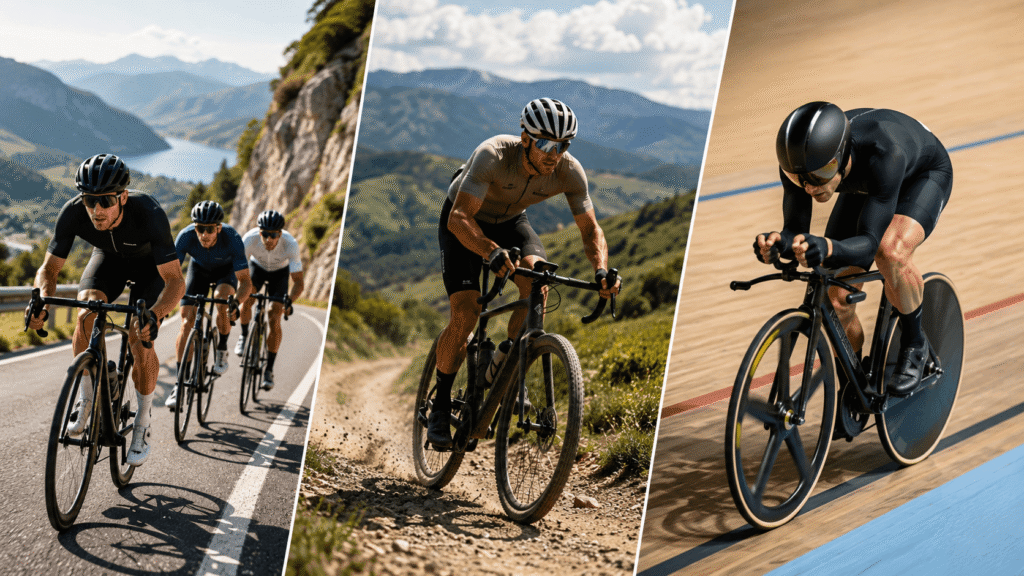
Road cycling remains the most widely recognised discipline, involving riding on paved roads either individually or in group rides known as pelotons during competitive events. Endurance, tactical positioning, and the ability to draft behind other riders to conserve energy all play crucial roles in road cycling, whether at recreational or professional level.
Gravel cycling has grown enormously in popularity in recent years, blending elements of road and off-road riding on unpaved paths, forest roads, and mixed-surface routes. It typically demands a slightly different bike setup, with wider tyres and more relaxed geometry compared to a pure road bike, and appeals to riders looking for adventure alongside fitness. Track cycling, meanwhile, takes place on purpose-built oval velodromes and features explosive, high-speed events that emphasise raw power and precise tactical timing over shorter distances than typical road events.
Latest Sports News
Choosing the Right Bike
Selecting an appropriate bike is one of the most important early decisions for any new cyclist. Road bikes prioritise light weight and aerodynamic efficiency, with narrow tyres suited to smooth paved surfaces. Gravel bikes offer wider tyre clearance and more stable geometry, better suited to varied terrain and longer days in the saddle where comfort becomes increasingly important. Hybrid or fitness bikes offer a comfortable middle ground for beginners unsure which discipline they will ultimately prefer, combining a more upright riding position with reasonably efficient performance on both roads and light trails.
Getting a proper bike fit, whether through a specialist shop or simply careful adjustment of saddle height and reach, dramatically improves both comfort and efficiency, and is often overlooked by beginners eager to simply get riding as soon as possible.
Building Fitness Safely
New cyclists often make the mistake of pushing too hard on early rides, leading to burnout or minor overuse injuries before a sustainable habit has been established. Building fitness gradually, focusing on consistent shorter rides before extending distance, tends to produce better long-term results than attempting overly ambitious rides too early in your cycling journey.
Cross-training, including strength work targeting the core and lower body, can also support cycling performance and help prevent common issues like lower back discomfort that often arise from extended time in the riding position, particularly for beginners still adapting to unfamiliar posture over long distances.
Group Riding Etiquette
Group rides introduce a distinct set of skills and etiquette beyond simply riding your own bike. Riding in a controlled, predictable manner, communicating hazards clearly to riders behind you, and taking turns at the front to share the workload of breaking wind resistance are all important skills to develop before joining faster or larger group rides.
Most cycling clubs offer beginner-friendly rides specifically designed to introduce new riders to group riding etiquette at a manageable pace, which is generally a far safer and more enjoyable way to learn these skills than attempting to keep up with an experienced group too soon.
Competitive Cycling for Beginners
For those interested in racing, many cycling federations offer entry-level categories specifically designed for newer competitors, allowing riders to build race experience and tactical understanding gradually rather than facing seasoned competitors immediately. Local time trials, where riders compete individually against the clock, also offer a lower-pressure introduction to competitive cycling compared to mass-start road races, which require additional bike-handling skills in close proximity to other riders.
Maintenance Basics Every Cyclist Should Know
Basic maintenance knowledge, including fixing a puncture, adjusting brakes, and keeping the drivetrain clean and lubricated, saves both money and frustration for regular riders. Many local bike shops and clubs run beginner maintenance workshops, which are well worth attending early in your cycling journey rather than learning these skills the hard way during a ride far from home.
Ultimately, cycling rewards steady, consistent effort more than almost any other sport, with fitness, bike-handling confidence, and route knowledge all building gradually over months of regular riding. Whether you end up chasing personal fitness goals, exploring new gravel routes, or working toward your first competitive race, the flexibility of cycling as a sport means there is a genuine entry point suited to almost anyone willing to get out on two wheels.