



For every football, tennis, or basketball dominating television schedules and back-page headlines, there are dozens of other sports thriving in the background, built on passionate communities, unique skills, and stories every bit as compelling as their mainstream counterparts. Exploring sports outside the usual spotlight can be one of the most rewarding things a sports fan does, offering fresh appreciation for athleticism and competition in forms you may never have considered.
What Counts as a Niche Sport
Niche sports generally refer to disciplines that, despite often having long histories and dedicated global followings, receive relatively limited mainstream media coverage compared to the handful of sports that dominate global television rights and sponsorship deals. This can include everything from combat sports like sambo and sumo, to racket sports like padel, to endurance pursuits like sailing and open-water swimming.
Importantly, niche does not mean small in absolute terms. Many of these sports have enormous participation numbers and passionate regional followings; they simply have not achieved the same global broadcast reach as the biggest commercial sports, often for historical, cultural, or purely commercial reasons rather than any lack of genuine sporting merit.
Latest Sports News
The Appeal of Discovering New Sports
One of the most rewarding aspects of exploring niche sports is the sense of discovery involved. Because these sports have not been endlessly analysed on mainstream television, watching or learning about them for the first time often feels genuinely fresh, without the accumulated storylines and pre-existing opinions that can shape how casual fans experience more heavily covered sports.
Niche sports also frequently showcase specialised athleticism that simply is not visible elsewhere. The explosive rotational power required in sumo, the split-second decision-making in sailing tactics, or the technical precision demanded by padel’s unique glass-walled courts all highlight physical and mental skills rarely showcased in mainstream sporting coverage.
How Niche Sports Grow
Many sports now enjoying growing mainstream attention began as niche pursuits before steadily building participation and commercial interest over years or decades. Padel, for instance, has expanded rapidly across Europe in recent years after growing from relatively humble beginnings, driven largely by word-of-mouth recommendation and accessible entry points for beginners rather than heavy top-down marketing.
Social media and streaming platforms have played an outsized role in this growth pattern more broadly, allowing enthusiast communities to build dedicated followings without needing traditional broadcast deals. Clips of spectacular moments in niche disciplines can reach global audiences through platforms that simply did not exist when many mainstream sports built their initial fan bases decades ago, levelling the playing field somewhat for sports without major broadcasting budgets.
The Community Around Smaller Sports
Fans and participants in niche sports often describe a stronger sense of community compared to more mainstream alternatives, partly because smaller scenes naturally foster closer relationships between athletes, coaches, and supporters. Local clubs frequently become genuine social hubs, and the relative absence of massive commercial pressure can allow a purer focus on participation and enjoyment of the sport itself.
This is not to say niche sports lack competitive intensity; athletes in disciplines with smaller global audiences often train just as rigorously as those in more high-profile sports, driven by personal ambition and love of their chosen discipline rather than lucrative sponsorship deals that may never materialise regardless of how well they perform.
How to Start Exploring
For fans curious about branching out, local participation is often the easiest entry point. Many niche sports have far lower barriers to trying a taster session compared to mainstream alternatives, simply because facilities and coaches are often more accessible to newcomers eager to learn, without the same level of competition for beginner class spaces found in oversubscribed mainstream sports.
Watching highlight compilations or documentaries focused on a specific niche discipline can also provide a helpful introduction before committing to deeper research, offering context on rules, history, and standout athletes without requiring hours of unfamiliar live coverage upfront.
Why Broad Sporting Curiosity Matters
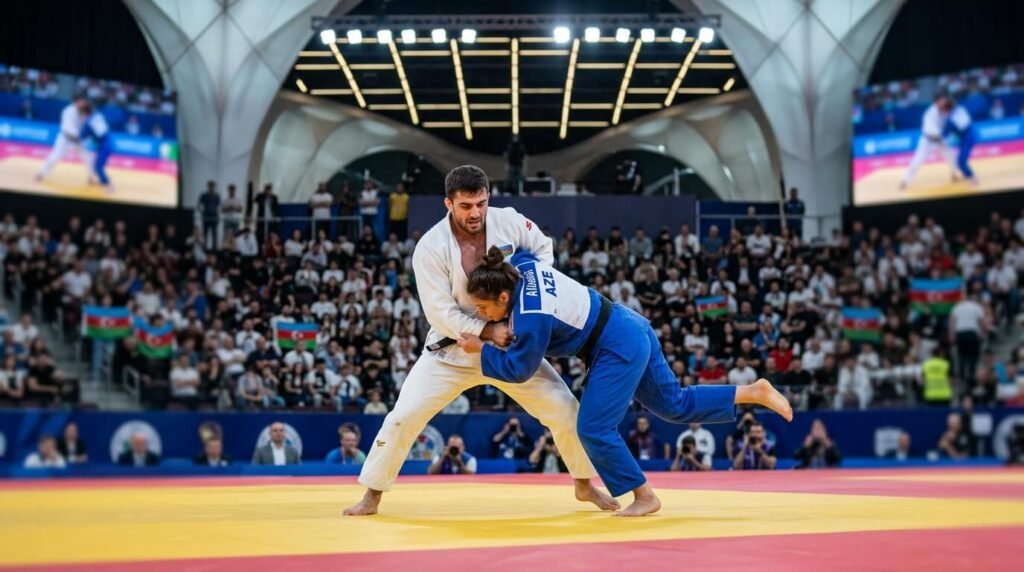
Developing an appreciation for a wider range of sports ultimately enriches how you understand athleticism and competition more broadly. Concepts that seem unique to one niche sport, such as the tactical patience found in sailing or the explosive technique behind judo throws, often provide useful context when watching entirely different sports, since many underlying athletic and strategic principles repeat across disciplines in ways that are not always obvious at first glance.
Ultimately, sport in all its forms rewards curiosity. Stepping outside the handful of disciplines that dominate mainstream coverage opens up an enormous, largely untapped world of skill, drama, and community, often just a short search or a local taster session away from anyone willing to look beyond the usual weekend fixtures.