

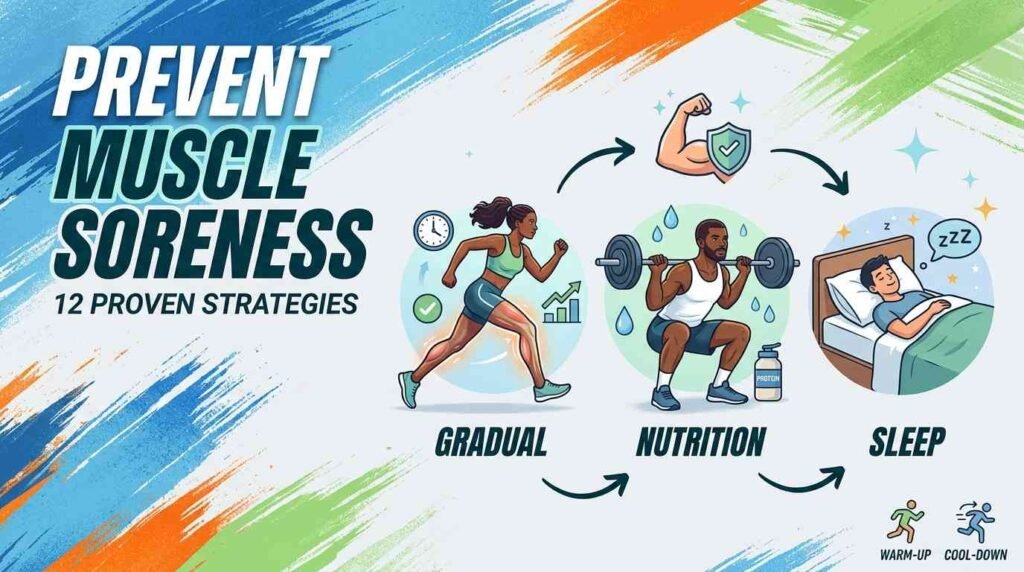
Knowing how to prevent muscle soreness can change how you train. Sore muscles make stairs hard. They ruin the next workout. They also make many people quit. The good news is simple. Smart habits can reduce soreness a lot.
This guide explains why muscles get sore. Then it shows what works and what does not. You will also find a four-week plan, a soreness checklist and answers to common questions. Every tip is written in plain language.
Key Takeaways: How to Prevent Muscle Soreness
- Most post-workout pain is delayed onset muscle soreness (DOMS). It usually peaks 24 to 72 hours after exercise.
- You cannot remove soreness completely. You can reduce it a lot with smart training.
- Increase your training load slowly. Sudden jumps in volume or intensity cause the worst soreness.
- A light first session protects you later. Scientists call this the repeated bout effect.
- A large Cochrane review found that stretching does not meaningfully reduce DOMS.
- Sleep, hydration, protein and light movement all support recovery.
- Severe pain, dark urine or big swelling need a doctor, not a home remedy.
What Is Muscle Soreness?
Before we learn how to prevent muscle soreness, we need to define it. Muscle soreness is the ache you feel after hard or unfamiliar exercise. Most people feel it a day or two later. Doctors and coaches call it delayed onset muscle soreness, or DOMS. You can read a short overview on the Wikipedia DOMS page.
DOMS feels like tightness, tenderness and mild weakness. Movement can feel stiff. Pressing on the muscle may hurt. The pain usually fades within a few days.
DOMS vs Immediate Muscle Fatigue
Fatigue and DOMS are not the same. Fatigue shows up during exercise. It comes from running low on energy. It fades within hours. DOMS arrives later and lasts longer.
The Typical DOMS Timeline
- 0 to 12 hours: You may feel fine or only slightly tired.
- 12 to 24 hours: Stiffness and tenderness begin.
- 24 to 72 hours: Soreness usually peaks.
- 3 to 7 days: Pain fades for most healthy people.
Timelines vary from person to person. Very hard sessions can last longer.
Why Muscles Get Sore After Exercise
Understanding the cause helps you learn how to prevent muscle soreness. Researchers still debate every detail. However, the main idea is well accepted.
Eccentric Contractions Are the Main Trigger
An eccentric contraction happens when a muscle lengthens under load. Lowering a dumbbell is one example. Running downhill is another. Sitting down slowly into a squat is a third.
Eccentric work causes the most soreness. It creates tiny stress points inside muscle fibres. Your body then starts a repair process. That repair process is linked to the pain you feel. You can learn more about eccentric training on Wikipedia.
New Exercises Cause More Soreness
Your muscles adapt to what you repeat. A new movement is a shock. That is why a beginner feels sore after a first gym session. It is also why a skilled athlete feels sore after a new drill.
Long Breaks Reset Your Protection
Time off reduces your adaptation. After a long break, the same workout can feel brutal again. Returning athletes often make this mistake. They train like they never stopped.
Is Muscle Soreness a Sign of a Good Workout?
Many people think more soreness means more progress. That is not true. Soreness is a poor measure of workout quality. You can build strength and fitness with little soreness.
Very high soreness can also hurt your training. You may skip sessions. Your movement may change. Your performance may drop. In short, soreness is a cost, not a goal.
How to Prevent Muscle Soreness: 12 Proven Strategies
No single trick shows how to prevent muscle soreness for everyone. Instead, combine several habits. The strategies below are ordered from most important to least.
1. Increase Training Load Gradually
This is the most important rule. Add volume, weight or distance in small steps. Sudden jumps cause big soreness. They also raise injury risk.
For example, a new runner should not double their weekly distance. A lifter should not add many sets at once. Small changes let your body adapt.
2. Use the Repeated Bout Effect
Your muscles protect themselves after one exposure. This is called the repeated bout effect. After a first bout of exercise, later sessions cause less damage. The James Clear article on the repeated bout effect explains this in simple terms.
You can use this on purpose. Start with an easy session of the new exercise. Keep the load light. Then build up in the following days. A coaching resource from NASE also covers this idea.
Do not expect permanent protection. The effect fades with long breaks. It also fades when you add a much harder load.
3. Warm Up Before You Train
A good warm-up prepares your muscles and joints. It raises your heart rate. It also improves blood flow. Use movements that look like your workout.
A simple warm-up takes five to ten minutes:
- Start with light cardio, such as brisk walking or easy cycling.
- Add dynamic moves, such as leg swings and arm circles.
- Do a few light sets of your first exercise.
Warm-ups may not remove soreness on their own. Still, they help you train well and stay safe. You can read more about warming up on Wikipedia.
4. Control Eccentric Volume
Eccentric work is the main cause of soreness. So limit it when you start a new plan. Avoid slow, heavy lowering phases in your first week. Skip long downhill runs at first.
Later, you can add more eccentric work step by step. Your muscles will handle it better.
5. Do Not Change Every Exercise at Once
Novelty causes soreness. So keep most of your routine stable. Change one or two things at a time. This keeps soreness manageable.
This matters most for athletes in season. A big new drill close to a match can hurt performance. Introduce new movements during off-season or early preparation.
6. Stay Hydrated
Water supports normal muscle function. Even mild dehydration can make exercise feel harder. Drink water through the day. Add more during hot weather or long sessions.
Check your urine colour as a quick guide. Pale yellow is a good sign. Very dark urine can mean you need more fluid. Persistent dark or brown urine after hard exercise needs medical care.
7. Eat Enough Protein and Calories
Your muscles need materials to repair. Protein supplies amino acids. Carbohydrates refill energy stores. Healthy fats support overall health.
Spread protein across your meals. Good sources include eggs, fish, chicken, lentils, beans, yoghurt and milk. Eat a balanced meal within a few hours after training. Your needs depend on your weight, sport and goals. A registered dietitian can give personal advice.
8. Sleep Well
Sleep is a major recovery tool. Your body repairs tissue while you rest. Poor sleep can make you feel worse and recover slower.
Most adults do best with seven to nine hours. Keep a steady bedtime. Avoid heavy screen use right before sleep. Keep your room dark and cool.
9. Add Light Active Recovery
Gentle movement can ease stiffness. Walk, swim easily or ride an easy bike. Keep the effort low. You should be able to talk normally.
Active recovery does not need to be long. Twenty minutes is enough for most people. It helps you feel looser without adding new damage.
10. Try Foam Rolling
Foam rolling may help with soreness. A study in the Journal of Athletic Training tested it after hard exercise. The researchers reported less muscle tenderness and better performance after foam rolling. You can read the paper on PubMed Central.
Another small study tested a short 90-second session. Volunteers reported less soreness afterward. The full text is also on PubMed Central.
The studies are small. Results are not identical across research. Still, foam rolling is low risk for most healthy people. Roll slowly. Stop if you feel sharp pain.
11. Balance Hard Days and Easy Days
Do not train the same muscles hard every day. Give them time to recover. Alternate muscle groups or session types. For example, follow a leg day with an upper-body day.
Include at least one full rest day each week. Rest days are part of training, not a break from it.
12. Cool Down Gently
A short cool-down lets your heart rate settle. Walk for five minutes after your session. Add easy mobility work if you like it.
Cool-downs may not reduce DOMS on their own. However, many athletes like how they feel afterward. If it helps you stay consistent, it is worth doing.
Does Stretching Prevent Muscle Soreness?
Many people stretch as their plan for how to prevent muscle soreness. The evidence does not support this. A large Cochrane review looked at stretching before and after exercise. The authors concluded that stretching does not produce clinically important reductions in DOMS in healthy adults.
You can read the details on the Cochrane Library page. A plain summary is also on PainScience.
This does not mean stretching is useless. It can help flexibility and range of motion. Many people simply enjoy it. Just do not rely on it as your main soreness plan.
What Does Not Work Well for Muscle Soreness?
Many products promise fast relief. Most have weak proof. A review in the Journal of Strength and Conditioning Research noted that no consistent treatment for DOMS has been established. Many common practices have little scientific support.
Miracle Supplements
Be careful with big claims. A powder or pill will not cancel out poor training. Talk to a doctor or dietitian before you take supplements. This is especially important if you have a health condition or take medicine.
Painkillers Before Exercise
Do not take pain tablets in advance to avoid soreness. Some research suggests anti-inflammatory drugs may blunt training adaptations. They can also cause side effects. Ask a doctor or pharmacist before using any medicine regularly.
Pushing Through Severe Pain
Mild soreness is normal. Sharp or severe pain is not. Do not train through pain that changes how you move. That can lead to injury.
Cold, Heat, Massage and Compression: What Helps?
Recovery tools are popular. The evidence for each one is mixed. Use them for comfort, not as a cure.
Cold Water and Ice
Some athletes feel better after a cold bath. Results in studies vary. Very cold exposure may not suit everyone. Avoid it if you have circulation or heart problems. Ask your doctor first.
Heat
Warm showers and heat packs can relax tight muscles. They are simple and comfortable. Use warmth, not extreme heat. Never fall asleep on a heating pad.
Massage
Massage may reduce the feeling of soreness for some people. It also helps you relax. Use light to moderate pressure on sore muscles. Avoid deep pressure on very tender areas.
Compression Clothing
Compression sleeves and tights are common in sport. Some people feel less sore when wearing them. The evidence is modest. Choose comfort and proper fit.
How to Prevent Muscle Soreness by Sport
Different sports stress muscles in different ways, so how to prevent muscle soreness changes a little by sport. Use these tips as a starting point.
Running
Running downhill causes heavy eccentric load on the thighs. Build up hill work slowly. Increase weekly distance in small steps. Mix easy runs with harder ones.
Gym and Strength Training
Start a new plan with lighter loads. Keep the first week easy. Add sets and weight over several weeks. Avoid adding many new exercises at once.
Cricket
Cricketers use sudden sprints, throws and bowling actions. A long break can leave the shoulders, hamstrings and lower back unprepared. Ease into pre-season training. Build throwing and bowling volume slowly. Follow Sports Tamasha for more cricket news and fitness stories.
Football
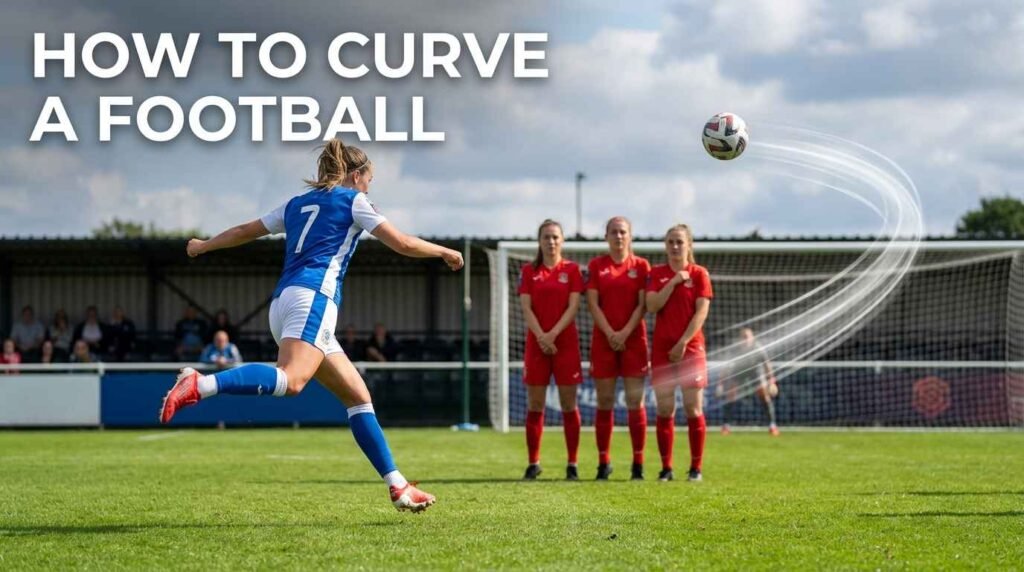
Football includes quick stops, turns and kicks. These actions load the hamstrings and groin. After a break, start with light small-sided games. Then add full-speed sprints and match play.
Swimming and Cycling
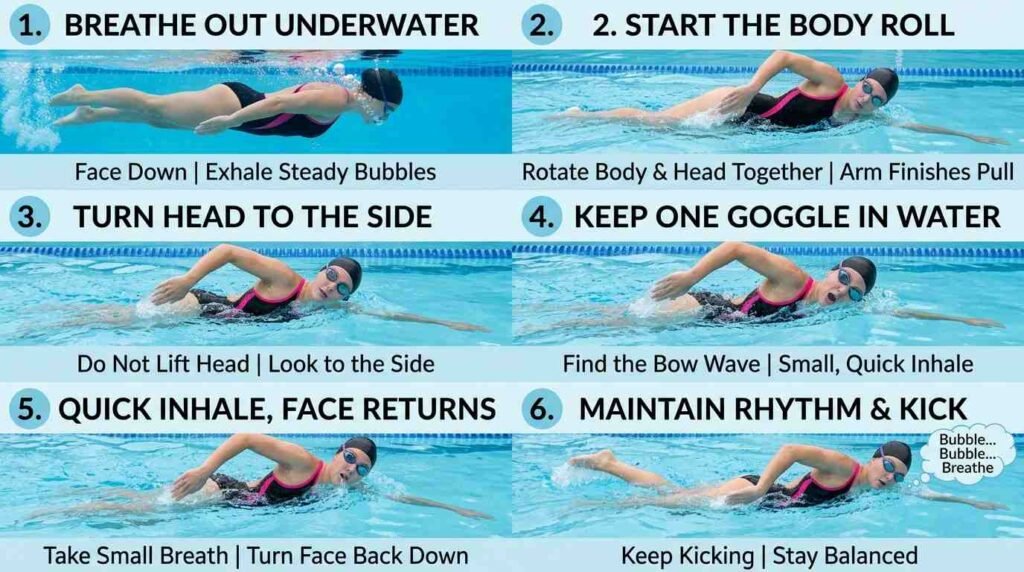
Both sports have less impact. Yet soreness still happens after a big jump in volume. Increase distance and intensity gradually. Watch your shoulders in swimming and your quadriceps in cycling.
Table Tennis and Racket Sports
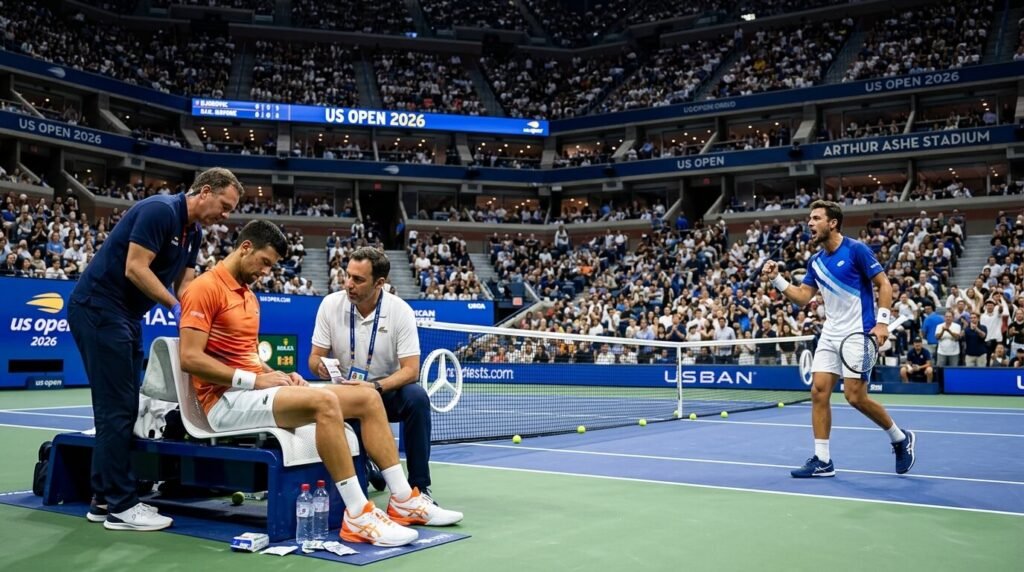
Racket sports use fast, repeated arm and leg movements. A new drill can leave your forearms and calves sore. Warm up well and build practice time slowly.
A Four-Week Plan to Prevent Muscle Soreness
Use this plan to practise how to prevent muscle soreness if you are starting a new routine or returning after a break. Adjust it to your fitness level.
| Week | Focus | What to Do |
|---|---|---|
| Week 1 | Light exposure | Do easy sessions with light loads. Stop well before failure. |
| Week 2 | Small increase | Add a little volume. Keep exercises the same. |
| Week 3 | Build steadily | Raise load or distance slightly. Include one rest day. |
| Week 4 | Consolidate | Repeat your best week. Add one new movement only. |
Track how you feel each day. Use a simple score from one to ten. If soreness stays high, hold your load steady for a few days.
Muscle Soreness vs Injury: How to Tell the Difference
Soreness and injury feel different. Knowing the signs keeps you safe. Use this table as a guide, not a diagnosis.
| Sign | Usually Normal Soreness | Possible Injury |
|---|---|---|
| Timing | Starts 12 to 24 hours later | Starts suddenly during exercise |
| Pain type | Dull, achy, tender | Sharp, stabbing or burning |
| Location | Both sides, worked muscles | One spot or one side |
| Movement | Eases as you warm up | Stays or gets worse |
| Duration | Fades in a few days | Lasts more than a week |
When to See a Doctor
Most soreness is harmless. However, even when you follow every tip on how to prevent muscle soreness, some signs need medical attention. Do not wait if you notice any of these:
- Very dark, brown or cola-coloured urine.
- Severe pain that is far worse than normal soreness.
- Major swelling in an arm or leg.
- Weakness that stops normal movement.
- Nausea, confusion or extreme fatigue after hard exercise.
These can be signs of a serious muscle breakdown condition called rhabdomyolysis. It is rare. Still, it needs urgent care.
This article is for general education. It is not medical advice. If you have a health condition, talk to a doctor before you change your training. The NHS exercise guidance and the WHO physical activity fact sheet are also useful starting points.
Common Mistakes That Make Soreness Worse
Avoid these habits when you want to know how to prevent muscle soreness.
Doing Too Much, Too Soon
Enthusiasm is great. But a huge first week often backfires. You end up sore and miss the next sessions.
Skipping the Warm-Up
Cold muscles feel stiff. A quick warm-up makes training smoother. It also helps you focus.
Ignoring Sleep
Late nights slow recovery. Training hard on little sleep is a poor trade.
Under-Eating
Low food intake leaves your muscles short of fuel. Eat enough to support your training.
Chasing Soreness as a Goal
Soreness is not a trophy. Focus on steady progress instead.
Copying Elite Athletes
Professionals train under expert supervision. They also build up over years. Beginners should not copy their volume.
Special Situations
Beginners
Beginners feel the most soreness. Start with short, easy sessions. Learn the movements first. Add load slowly over weeks.
Returning After a Break
Treat yourself like a beginner for a short time. Begin at about half your old volume. Then build back up. Your body remembers, but it still needs time.
Older Adults
Recovery may take longer with age. Warm up carefully. Increase load in small steps. A doctor or physiotherapist can help you plan safe exercise.
Young Athletes
Young players should focus on skill and variety. Coaches should avoid sudden jumps in training load. Rest and sleep are vital for growing athletes.
Your Post-Workout Checklist
Use this simple checklist after each session to keep how to prevent muscle soreness easy. It takes only a few minutes.
- Walk for five minutes to cool down.
- Drink water.
- Eat a balanced meal with protein.
- Foam roll gently if you enjoy it.
- Take a warm shower if it feels good.
- Sleep seven to nine hours.
- Note how sore you feel tomorrow.
Quick Reference: How to Prevent Muscle Soreness
| Strategy | Why It Helps | Evidence Level |
|---|---|---|
| Gradual progression | Lets muscles adapt | Strong |
| Light first session | Uses the repeated bout effect | Strong |
| Warm-up | Prepares muscles and joints | Supportive |
| Foam rolling | May reduce tenderness | Moderate |
| Sleep and nutrition | Support repair | Supportive |
| Stretching | Little effect on DOMS | Weak for soreness |
How to Prevent Muscle Soreness: The Science in Simple Words
Science can seem hard. Yet the main ideas are easy. This section explains them in short steps. Knowing how to prevent muscle soreness is easier when you know what your body is doing.
Step 1: Load Creates Tiny Stress
Hard exercise stresses your muscle fibres. This stress is normal. It is also the reason muscles grow stronger. Your body sees it as a signal to improve.
Step 2: The Body Starts Repair
After hard work, your body sends repair signals to the muscle. Blood flow and chemical activity change. You may feel this as tenderness. Researchers still study the exact pain pathway.
Step 3: Adaptation Follows
With rest and food, your muscles adapt. They become more resistant to the same stress. That is why the same workout feels easier next month. It is also the base of the repeated bout effect.
What This Means for You
You want stress that is high enough to help you improve. You also want it low enough to avoid heavy soreness. Small steady increases give you both. This is the heart of how to prevent muscle soreness.
How to Prevent Muscle Soreness Before a Workout
Your preparation matters. What you do in the hours before training can change how you feel later.
Eat a Light Meal or Snack
Eat one to three hours before exercise if you can. Choose simple foods. Bananas, toast, oats and yoghurt are common choices. Avoid a heavy, greasy meal right before training.
Drink Water Early
Start hydrated. Drink water in the hours before your session. Do not force large amounts at the last minute.
Plan the Session
Decide the exercises, sets and distance before you begin. A plan stops you from doing too much on impulse. It also helps you track what caused soreness.
Check Your Sleep and Stress
Poor sleep and high stress reduce recovery. If you slept badly, lower the intensity. A lighter day is smarter than a failed hard day.
How to Prevent Muscle Soreness During a Workout
Your choices during the session count too. Small changes can lower the damage you cause.
Use Good Technique
Poor form puts stress on the wrong muscles. It can raise injury risk. Learn each movement well. Ask a coach to check your form if you are new.
Stop Short of Failure
Going to total failure on every set adds fatigue. Leave a few reps in reserve. This is often enough to build strength with less soreness.
Manage Rest Between Sets
Short rests raise fatigue. Longer rests let you keep good form. Rest long enough to stay in control.
Avoid Sudden Volume Spikes
Do not add many extra sets in one session. Stick to your plan. Increase volume across weeks, not minutes.
Listen to Your Body
Mild burning during effort is normal. Sharp pain is not. If a movement hurts in a sharp way, stop it. Try a lighter version or a different exercise.
How to Prevent Muscle Soreness After a Workout
Recovery starts as soon as you finish. The next few hours set the tone for tomorrow.
Refuel Soon
Eat a balanced meal with protein and carbohydrates. This gives your muscles fuel and repair materials. You do not need a special shake. Normal food works well.
Rehydrate
Replace fluids lost through sweat. Drink water steadily over the next hours. Add a pinch of salt or an electrolyte drink after very long or hot sessions.
Keep Moving Lightly
Do not sit still for hours. Take short walks. Light movement keeps muscles from feeling locked up.
Rest Well Tonight
A full night of sleep is powerful. It gives your body time to repair. Plan an early bedtime after a hard session.
How to Prevent Muscle Soreness the Next Day
Day two is often the hardest. Some soreness may already show up. Here is how to manage it.
Do Easy Movement
Try a walk, an easy swim or gentle cycling. Keep the effort low. Movement may reduce stiffness for a while.
Choose a Different Muscle Group
If your legs are sore, train your upper body. If your arms are sore, train your legs. This keeps you active without stressing the same muscles.
Use Gentle Self-Care
Take a warm shower. Try light foam rolling. Do easy mobility work. These simple steps can help you feel better.
Do Not Add More Damage
Avoid a second all-out session on the same sore muscles. Give them time. Pushing hard too soon can slow your progress.
Nutrition to Help Prevent Muscle Soreness
Food will not erase soreness, yet it is part of how to prevent muscle soreness. But good nutrition supports recovery. Focus on habits you can keep.
Protein
Protein helps repair muscle. Include it in each meal. Options include eggs, fish, chicken, paneer, lentils, chickpeas, beans, yoghurt and milk. Choose foods you enjoy and can afford.
Carbohydrates
Carbohydrates refill your energy stores. Rice, roti, oats, potatoes, fruit and bread are common sources. Eat more on heavy training days.
Healthy Fats
Fats support hormones and overall health. Nuts, seeds, olive oil and fish are good choices. Keep portions sensible.
Fruits and Vegetables
Colourful produce gives vitamins, minerals and fibre. Aim for a variety each day. Whole foods are the best base.
Fluids
Water is the main drink to focus on. Milk, tea and other drinks also count. Limit sugary drinks.
A Note on Supplements
Supplements are optional. Food comes first. If you want to try one, speak to a doctor or dietitian. Pick products that are tested by a trusted third party.
Sleep and Recovery: The Missing Piece
Many people ask how to prevent muscle soreness but ignore sleep. That is a common gap. Better sleep can help you recover faster.
Build a Sleep Routine
- Go to bed at the same time each night.
- Avoid caffeine late in the day.
- Limit bright screens near bedtime.
- Keep your bedroom dark, cool and quiet.
Short Naps
A short nap of twenty to thirty minutes can help. Do not nap too late. Long late naps can affect night sleep.
Manage Stress
High stress can hurt recovery. Try slow breathing, a walk or quiet time. Simple habits help your body relax.
Warm-Up Routine to Help Prevent Muscle Soreness
Here is an easy warm-up you can copy. It takes about eight minutes.
| Step | Activity | Time |
|---|---|---|
| 1 | Brisk walk or easy jog | 3 minutes |
| 2 | Leg swings and arm circles | 2 minutes |
| 3 | Bodyweight squats and lunges | 2 minutes |
| 4 | Light practice set of your first exercise | 1 minute |
Adjust the moves to your sport. A bowler may add shoulder circles. A footballer may add light skipping and shuffles.
How Long Does It Take to Adapt and Stop Getting Sore?
Most people adapt within a few weeks. Soreness usually falls as your body gets used to a routine. The exact time depends on your fitness, sleep, food and how fast you progress.
Keep in mind that soreness may return. It comes back when you add a new exercise or a big jump in load. This is normal. You now know how to prevent muscle soreness from getting out of control.
More Fitness and Sports Coverage on Our Network
If this guide helped, explore more on our sister sites. Sports Tamasha covers cricket, football and daily sports stories. Sports News Era brings fast news and match reports. Sports Dastak adds analysis, trending stories and player profiles.
Together, these sites give you a full view of sport and fitness. Visit them often for fresh training tips and news.
How to Prevent Muscle Soreness: Frequently Asked Questions
How can I prevent muscle soreness after a workout?
Increase your training load slowly. Start new exercises with a light session. Warm up, eat enough protein, drink water and sleep well. These habits reduce soreness for most people.
Can you completely prevent muscle soreness?
No. You can reduce it, but not always remove it. New or hard exercise often causes some soreness. It is a normal response.
Does stretching prevent muscle soreness?
Research suggests it does not. A Cochrane review found no clinically important reduction in DOMS from stretching. Stretching can still help flexibility.
How long does muscle soreness last?
Most soreness peaks 24 to 72 hours after exercise. It usually fades within three to seven days. Longer pain may need a check-up.
What is the repeated bout effect?
It is your muscles’ adaptation to earlier exercise. After a first session, later similar sessions cause less damage. A light first workout can reduce future soreness.
Does foam rolling help with muscle soreness?
Some studies show less tenderness after foam rolling. The research is small and mixed. It is low risk for most healthy people if done gently.
Should I exercise when my muscles are sore?
Light activity is usually fine. Walking or easy cycling can ease stiffness. Avoid hard work on very sore muscles. Rest if the pain is severe.
When is muscle soreness a warning sign?
See a doctor for severe pain, big swelling, weakness or dark urine after exercise. These signs may point to a more serious problem.
Final Thoughts on How to Prevent Muscle Soreness
The best way to prevent muscle soreness is smart, steady training. Build up slowly. Use light sessions to introduce new work. Support your body with sleep, food and water. Do not count on stretching or miracle products.
Bookmark this guide and share it with a training partner. Use the four-week plan for your next routine. Your muscles will thank you.
Sources and Useful Links
- Cochrane: Stretching to prevent or reduce muscle soreness after exercise
- Journal of Athletic Training: Foam rolling for DOMS
- PubMed Central: Foam rolling and muscle soreness study
- James Clear: The repeated bout effect
- NASE: The repeated bout effect
- PainScience: Stretching and DOMS review summary
- Wikipedia: Delayed onset muscle soreness
- Wikipedia: Eccentric training
- Wikipedia: Rhabdomyolysis
- NHS: Exercise guidance
- WHO: Physical activity fact sheet